

UK Prime Minister signals move to restrict VPN access in the name of protecting children
Keir Starmer says new parliamentary powers could “limit VPN access for kids” as part of effort to shore up Online Safety Act

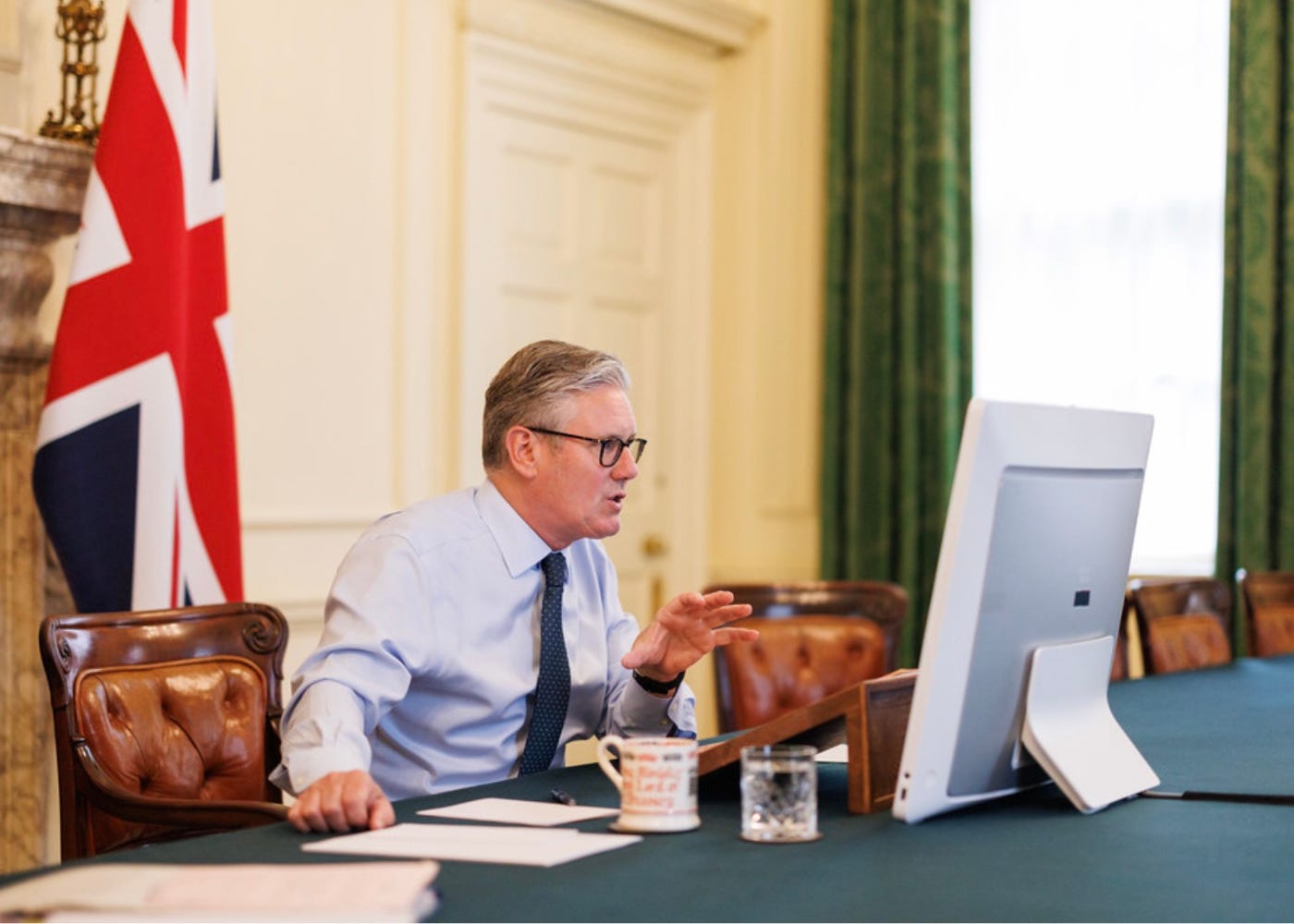
UK Prime Minister Keir Starmer said the government will seek new powers from Parliament that could include limiting children’s access to virtual private networks (VPNs), as part of an effort to strengthen enforcement of the Online Safety Act.
In a Substack post published Sunday, Starmer said the government would act on the findings of a recent consultation on social media regulation.
“We will be going to Parliament for new government powers, enabling us to act on the findings of the social media consultation where the evidence suggests we need to,” he wrote.
“This could include… limiting VPN access for kids to make it harder for kids to get around age limits of services or certain functionalities.”
The proposal is part of a broader push by the UK government to restrict minors’ access to certain online platforms and features. The UK has joined a growing number of countries attempting to tighten rules for children’s use of social media and other digital services. Last year, Australia implemented a social media ban for users under 16, and other nations are considering similar measures.
In the UK, enforcement has proven challenging. One of the primary methods introduced to prevent underage access involves stricter age verification requirements for sensitive materiak, which can require users to submit government-issued identification. Critics say that approach effectively forces adults to share sensitive personal information — such as passport details — to access lawful online content. It has led to requirement to provide ID information for things like visiting certain subreddits.
The debate touches on broader questions about identity verification in the UK. Historically, the country has maintained relatively limited ID requirements compared with many other nations. ID isn’t required for administrative tasks such as accessing medical care or birth registration, for instance. There is no general legal requirement to carry identification, and police may only demand ID under specific circumstances, such as when a person is suspected of committing an offence or is driving.
Starmer’s government has also signalled interest in rolling out a digital identity system, a proposal that has faced political resistance in the past.
VPN providers told Scamurai they are monitoring developments closely.
Surfshark said it already prohibits users under 18 from using its services and requires a paid subscription with a valid payment method, which it described as an additional safeguard against underage use.
“VPNs have become a backbone of modern cybersecurity and millions rely on this tool daily for security, remote work, and personal privacy,” a company spokesperson said. “While we support efforts to protect children online, we believe it is essential that discussions around online safety take into account privacy and data protection.”
Laura Tyrylyte, a privacy advocate at NordVPN, said that while protecting children online is an important goal, restricting or banning VPNs would be misguided.
“Broad restrictions on VPN usage would harm the vast majority of legitimate users like individuals protecting their personal data, businesses securing remote work connections, journalists protecting sources, and people traveling abroad who need secure access to services,” she said.
Tyrylyte pointed to Australia’s recent approach to blocking children’s access to social media, arguing that responsibility for age enforcement should rest primarily with social media platforms rather than VPN providers. She said major platforms possess sufficient data to estimate users’ ages and general locations regardless of whether a VPN is active.
She also drew a distinction between paid and free VPN services, noting that paid providers typically require a payment method and prohibit minors from signing up. Free VPNs, she warned, may carry greater privacy and security risks, including data logging, intrusive advertising, or malware.
“If minors use VPN services at all, they use free VPNs,” she said. “Ironically, young people seeking to bypass age verification could end up exposing themselves to far greater risks.”
Mullvad said it is consulting with legal advisers about any potential regulatory changes but that its service would continue operating as normal unless new laws directly affect it.
“Our company goal is an open and non-censored internet,” a spokesperson said. “We are obviously against any kind of restrictions, censorship or other limitations of the freedom for users online.”